
How to Store 3D Printing Filament Properly
Quick Summary
To store 3D printing filament properly, reseal the spool or bag right after each print and add a desiccant pack. Keep it in a cool, dark spot around 65 to 75°F, off the floor, away from dust and UV light. Hygroscopic materials like nylon need the strictest sealing and dry storage.
- Reseal filament immediately after printing, pressing out excess air.
- Add a desiccant pack such as silica gel to every sealed container.
- Store spools in a cool, dark place around 65 to 75°F.
- Keep spools off the floor, where dust collects quickly.
- Dry hygroscopic filament such as nylon before serious prints.
Table of Contents
- Why Filament Needs Proper Storage
- How Moisture Affects Print Quality
- How to Store PLA Filament
- Does TPU Filament Need to Be Kept Dry?
- Choosing 3D Printer Filament Storage Containers
- How to Dry 3D Printer Filament Before Storing It
- Setting Up Your Storage Based on Budget and Spool Count
- Start Storing Your Spools the Right Way Today
- Frequently Asked Questions
Last Updated: November 2, 2026
Filament is one of the cheapest things on your workbench, and one of the easiest to ruin. A spool left open on a shelf for a few weeks can turn brittle, bubble on the nozzle, and produce prints that look rough no matter how well your printer is tuned. Proper store 3d printing filament habits are what keep your material performing the way the manufacturer intended.
Filament storage and moisture guidance from a materials manufacturer is a useful starting point, but the core principles are straightforward. Keep filament sealed, keep it dry, and keep it away from heat. The rest of this article shows you how.
Why Filament Needs Proper Storage
Most filament is shipped sealed in a vacuum bag with desiccant for a reason. Once that bag is opened, the spool starts interacting with the air around it every day, so you need a dependable way to store 3d printing filament after each session.
The main problems are:
- Moisture absorption: Many common materials pull water from humid air over time.
- Dust and debris: Loose particles can clog the nozzle and cause inconsistent extrusion.
- Heat exposure: Sitting near a window or radiator can soften or warp the spool.
- UV light: Some colors fade or change over long exposure.
A spool that is stored well will usually print the same on day 100 as it did on day 1. A spool that is stored poorly may need drying before it prints cleanly.
How Moisture Affects Print Quality
Moisture is the biggest enemy of most filament. When wet filament hits a hot nozzle, the trapped water turns to steam. That steam causes popping, bubbling, and small voids in the print.
Common signs of wet filament include:
- Crackling or hissing sounds during extrusion
- Stringing between parts of the print
- Rough, grainy surface finish
- Weak layer bonding that breaks easily
Hygroscopic materials such as nylon absorb moisture faster than PLA. Keeping humidity low is the simplest way to protect your prints. The right humidity target depends on the material.
How to Store PLA Filament
PLA is the most forgiving common material, but "forgiving" is not the same as "immune." It is less hygroscopic than nylon or PETG, so a spool can sit out longer before showing problems, but it still absorbs moisture, collects dust, and degrades in heat and UV. The practical rule is that PLA tolerates short exposure but not indefinite exposure.
Follow these steps for PLA:
- Reseal the bag or spool right after printing. Press out excess air and close the zip tightly.
- Add a desiccant pack. Silica gel packs are a common choice.
- Store in a cool, dark spot. Aim for a stable room temperature, ideally around 65 to 75°F.
- Keep spools off the floor. Dust collects quickly down low.
- Check the desiccant. Replace or regenerate it when the indicator changes color.
How the Common Materials Compare
Treating every spool the same is the most common storage mistake. Hygroscopicity, how readily a material pulls water from the air, varies widely, and so does the storage effort each material deserves.
- PLA: Low to moderate hygroscopicity. Tolerates short open-air sessions; store sealed with desiccant and it will usually print the same months later. More vulnerable to heat than moisture, keep it below about 100°F and out of direct sun.
- PETG: Moderately hygroscopic. Absorbs moisture faster than PLA and shows it as stringing and popping. Store sealed with fresh desiccant and dry before long prints if it has been exposed.
- ABS: Moderately hygroscopic and heat-sensitive. Store sealed and away from warm spots; moisture plus heat produces rough surfaces and weak layers.
- TPU: Hygroscopic and slow to print, so moisture problems compound. Store sealed with desiccant and dry before use if it has been open for a while.
- Nylon (PA): Highly hygroscopic, the most demanding common material. It can absorb noticeable moisture in a day of humid air. Store in a sealed container with plenty of desiccant, monitor humidity, and dry before every serious print.
- Specialty filaments (PC, PVA, wood-fill, carbon-fiber blends): PVA is water-soluble and must be kept sealed and dry at all times; PC and CF blends are hygroscopic and benefit from the same sealed-plus-desiccant routine as nylon.
A useful mental model: PLA and ABS are the tolerant end, PETG and TPU are the middle, and nylon, PVA, and most engineering blends are the demanding end. Match your storage effort to the material, not to the spool count.
The article's material guidance can be scanned at a glance:
| Material | Hygroscopicity | Storage note |
|---|---|---|
| PLA | Low to moderate | Store sealed with desiccant; keep below about 100°F |
| PETG | Moderate | Store sealed with fresh desiccant; dry if exposed |
| ABS | Moderate | Store sealed and away from warm spots |
| TPU | High | Store sealed with desiccant; dry before use if exposed |
| Nylon (PA) | Very high | Sealed container with plenty of desiccant; dry before every serious print |
| PVA | High | Keep sealed and dry at all times |
Does TPU Filament Need to Be Kept Dry?
TPU is flexible and more sensitive to moisture than many people expect. Wet TPU can produce messy, stringy prints and inconsistent extrusion. Because it is often printed slowly, moisture problems show up quickly.
NextShapes Reusable Filament Spool – Light Grey →
For TPU, store spools in a sealed container with fresh desiccant and avoid long periods in humid rooms. If a spool has been exposed for a while, drying it before printing is worth the effort.
PETG is also hygroscopic and needs similar care. If you are picking a material for functional parts or miniatures,
Choosing 3D Printer Filament Storage Containers
Your container choice affects how well your filament stays dry, and the right pick depends on spool count, how often you print, and whether you need to feed filament during printing. The most common options, with their real trade-offs:
- Airtight plastic totes: Good for larger collections and easy to stack. Look for a gasket seal and a lid that clamps, not just snaps. Capacity is usually stated in quarts; a typical tote holds several 1 kg spools standing upright. Trade-off: bulky, and you must open the whole bin to reach one spool.
- Vacuum sealed bags: Excellent for long-term storage of spares. Removing air reduces the moisture load the desiccant has to handle. Trade-off: slower to reseal, and repeated vacuuming can stress the bag seam.
- Resealable zip bags: Affordable and useful for a few spools at a time. Choose heavy-duty bags with a true zip seal, not thin food bags. Trade-off: limited capacity and shorter seal life.
- Dry boxes: Ideal for actively printing spools that need to stay accessible. A dry box lets you feed filament directly from a sealed container during a print, which is the practical answer when a sealed bin is not enough. Trade-off: higher cost and more setup than a tote.
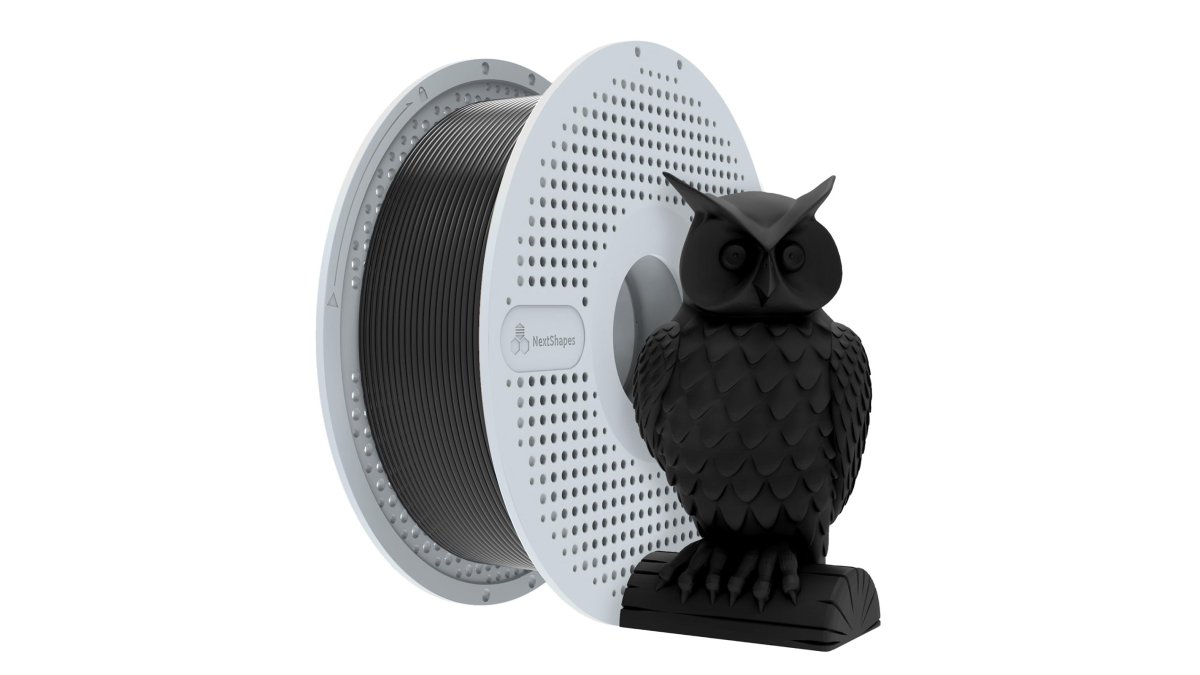
When you are shopping for storage, look for a tight seal, space for desiccant, and a size that fits your spools without crushing them. A reusable spool can also help, such as the NextShapes Reusable Filament Spool - Light Grey, which is designed for compatible NextShapes refill filament.

When a Sealed Container Is Enough, and When to Feed From a Dry Box
A sealed container is sufficient for storage: spools that are waiting their turn, spares, and material you print only occasionally. A dry box earns its place when a spool is actively being printed, especially for hygroscopic materials like nylon, PETG, and TPU. During a long print, filament sitting on an open spool holder reabsorbs moisture from room air the whole time. Feeding directly from a dry box keeps the material dry through the entire print, not just between prints.
Monitoring Humidity and Maintaining Desiccant
The container is only half the system; the other half is knowing when it has stopped working. A small hygrometer placed inside the container turns storage from guesswork into measurement.
- Read relative humidity, not just temperature. Keep storage air dry, and drier still for demanding materials such as nylon.
- Check the hygrometer after closing the container. If humidity climbs within a day, the seal is leaking or the desiccant is spent.
- Replace or regenerate desiccant on a schedule, not a hunch. Color-indicating silica gel changes color when saturated; rechargeable desiccant can be regenerated in an oven at the temperature the manufacturer specifies, then cooled before reuse.
- Match desiccant quantity to container volume. A small pack in a large tote will saturate quickly; use enough to keep the hygrometer reading low between spool changes.
How to Dry 3D Printer Filament Before Storing It
If a spool has absorbed moisture, drying it before storage or printing is the fix. The process is simple, but it needs care.
- Check the material. Confirm the recommended drying temperature and time from the manufacturer.
- Use a filament dryer if you have one. These keep temperature steady and avoid overheating.
- If using an oven, set it low. Use a thermometer to verify the temperature, since ovens can run hot.
- Dry for the recommended time. Most spools need several hours.
- Let the spool cool before sealing. Sealing warm filament traps condensation.
- Store immediately with fresh desiccant. Do not leave dried filament open to the air.
Watch out: never dry filament above the temperature the manufacturer recommends. Overheating can soften the spool or deform the filament before it reaches your printer.
Setting Up Your Storage Based on Budget and Spool Count
Your storage setup should match how much filament you own and how often you print. You do not need an expensive system to protect your material.
Small collection (1 to 5 spools, tight budget):
- Resealable zip bags with silica gel packs
- A simple dry box for spools you use often
Medium collection (6 to 15 spools):
- Airtight plastic totes with desiccant
- A dedicated dry box for active spools
Large collection (15+ spools or print farm):
- Multiple sealed totes organized by material
- Filament dryer for regular drying
- Humidity monitoring in the storage area
Start with what you can afford and upgrade as your collection grows. Even basic sealed bags with desiccant beat leaving spools open on a shelf.
Start Storing Your Spools the Right Way Today
Good storage is one of the easiest ways to get better prints. Reseal your spools after every session, keep desiccant fresh, and store everything somewhere cool and dark. If you are restocking, browse the NextShapes refill filaments at Pewgilist, including NextShapes PETG HF Refill 1.75mm - 1KG, to find materials that match your next project.

Frequently Asked Questions
How does PLA filament need to be stored?
PLA is less sensitive to moisture than PETG or nylon, but it still absorbs humidity over time and can become brittle, cause stringing or produce popping and bubbling during printing. Store PLA in a sealed container or resealable bag with desiccant, and keep the spool at room temperature. Keeping unused spools sealed until you need them is the simplest way to protect print quality.
Does TPU need to be kept dry?
Yes. TPU is a flexible material that absorbs moisture readily, and wet TPU often prints with bubbling, stringing and weak layer adhesion. Store TPU in an airtight container with fresh desiccant, and dry it before printing if it has been exposed to humid air. Keeping it sealed between prints makes a noticeable difference in consistency.
Should filament be dried before storing it?
If a spool has been sitting in humid air or was printed with and then left out, drying it before sealing it away helps prevent moisture from being locked in. Drying is most useful for hygroscopic materials such as nylon, TPU and PETG. Once dry, store the spool immediately in a sealed container with desiccant so it stays dry.
